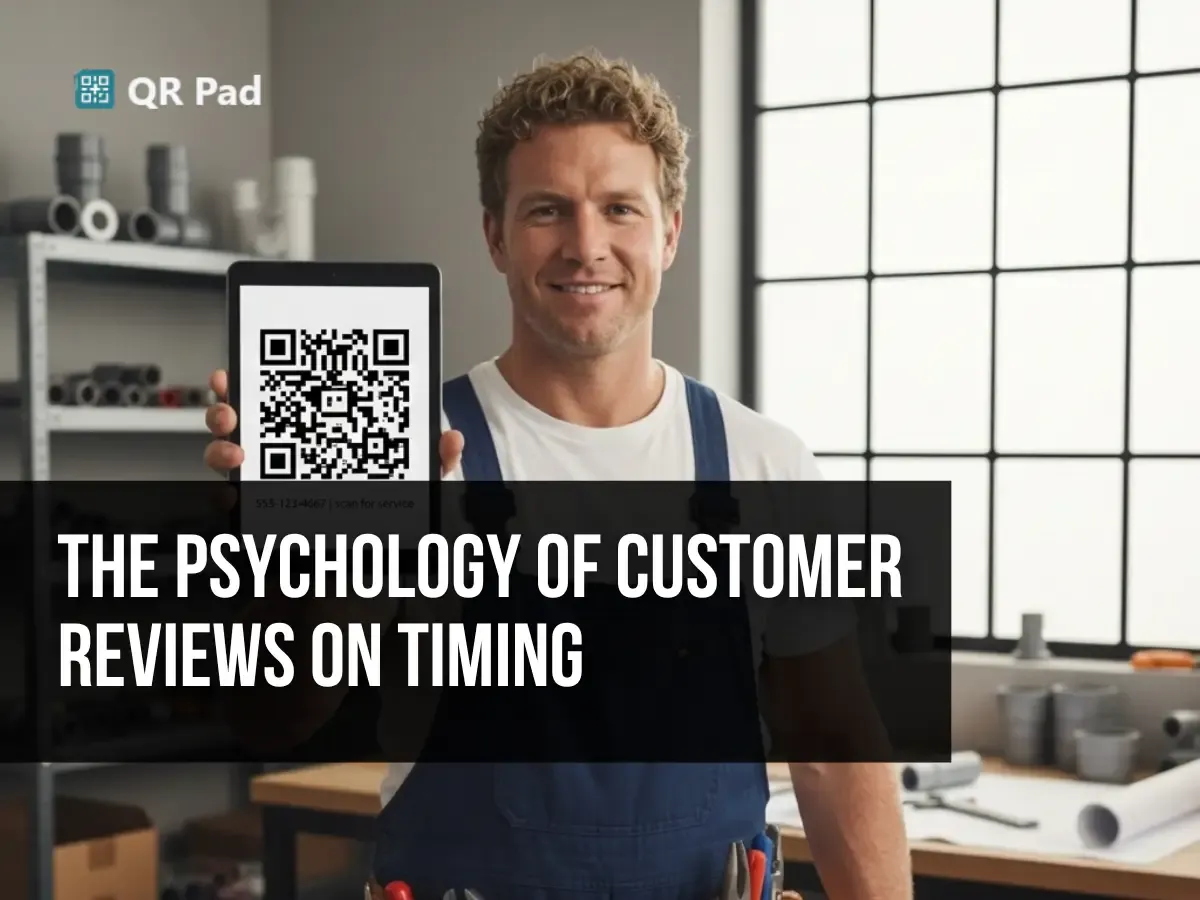
Psychology of Customer Reviews On Timing
For service businesses, understanding the psychology of customer reviews is one of the strongest drivers of new bookings. In particular, without a physical storefront, customers rely heavily on platforms like Yelp and Google. They use these tools to evaluate trust, quality, and consistency. Consequently, a strong review profile signals reliability, while a lack of recent feedback creates hesitation. In many cases, customers compare just a few options. Ultimately, reviews become the deciding factor.
Furthermore, the overall impact goes much deeper. The psychology of customer reviews shows that feedback also influences brand visibility in search results. It directly impacts click-through rates and overall conversion. For example, when customers see recent, detailed feedback, they feel more confident moving forward. On the other hand, without that steady flow, even great businesses can appear inactive or unproven. Because of this, consistent reviews are not just helpful; rather, they are absolutely critical.
Why Customers Fail the Psychology of Customer Reviews
Most customers are actually willing to leave a review, especially after a positive customer experience. However, the main problem is not willingness, but rather a lack of follow-through. Once the job is done, their focus shifts quickly. As a result, your request becomes less urgent or is completely forgotten. In fact, even customers who openly say they will leave a review often never come back to it.
More specifically, there are small but critical barriers that stop action:
- Not knowing where to leave the review
- Needing to search for your business
- Too many steps before writing feedback
Individually, each of these factors adds friction. Together, they create a clear drop-off point.
The intent certainly exists, but unfortunately, the process gets in the way.
Why Incentives Fail the Psychology of Customer Reviews
Offering incentives like discounts or rewards may seem like a simple fix. However, this approach often misses the real issue. For instance, incentives can make reviews feel forced. In addition, platforms like Yelp and Google actively discourage this practice to maintain authenticity. More importantly, incentives do not eliminate friction or improve timing. Therefore, if the process is delayed or inconvenient, most customers still will not follow through.
At the core, what businesses often misunderstand is what actually drives action. To clarify, consider these three points:
- Customers already feel satisfied
- They are open to leaving feedback
- They just need a clear, easy way to do it
In reality, without removing friction, incentives remain a surface-level solution. Instead, the real improvement comes from simplifying the process.
Master the Psychology of Customer Reviews with Proper Timing
The most effective moment to ask for a review is right after the service is completed. At that point, the experience is still fresh, and the value is clear. Therefore, the customer is more emotionally engaged. Because of this, using a QR code at this exact moment makes it easy for them to take immediate action. However, if you delay that moment, the opportunity fades quickly.
This drop in conversion happens because of how people naturally respond to experiences. Specifically, when satisfaction is at its peak, taking action feels easy and natural. In contrast, when time passes, even a great experience becomes less top-of-mind. Ultimately, capturing that exact moment is what separates businesses that get reviews consistently from those that struggle.
Where Most Businesses Lose Reviews
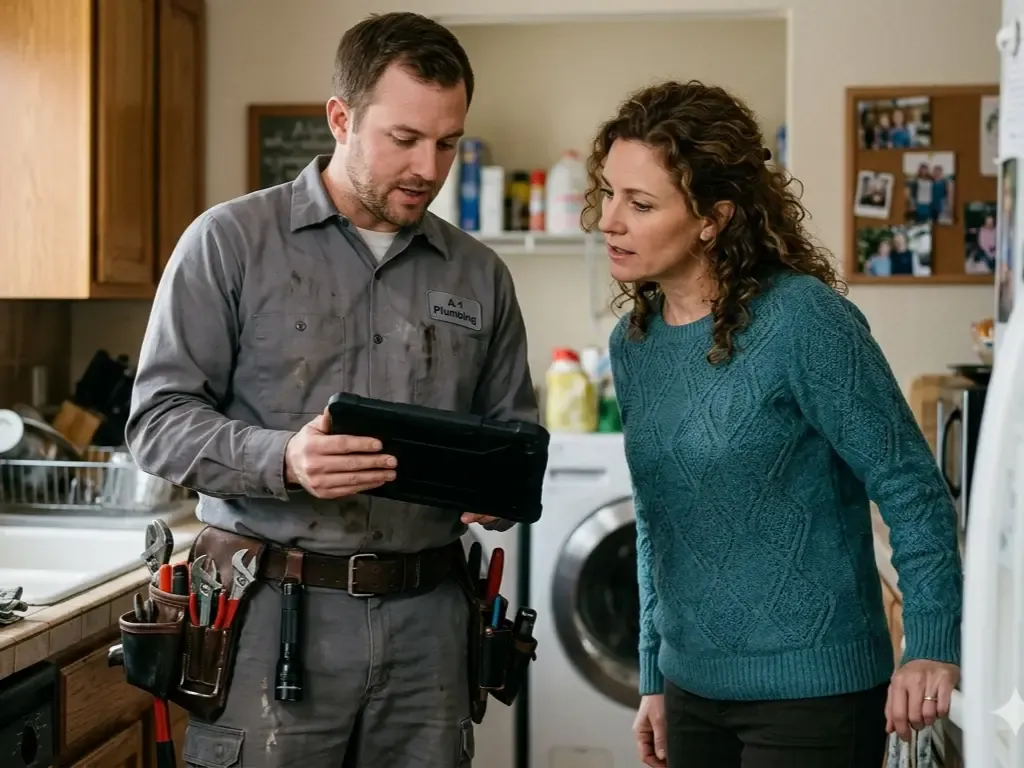
Even when businesses ask at the right time, they still often lose reviews because of how the request is made. For example, a vague prompt like “you can leave us a review later” creates both delay and uncertainty. As a result, the customer now has to remember, search, and decide where to go. This rarely happens. Consequently, this introduces friction at exactly the wrong moment.
In most cases, lost reviews come from simple breakdowns like:
- No direct link to the review page
- Too many steps to complete the process
- Unclear instructions on where to leave feedback
Individually, each of these elements adds just enough effort to stop action entirely. Ultimately, the intent is there, but the path is not.
The Mobile-First Advantage
Customer behavior today is entirely mobile-driven, especially right after a service interaction. At this point, the customer already has their phone nearby. This makes it the ideal moment to guide them toward leaving a review. However, any system that depends on follow-ups, emails, or memory works against this natural behavior. Instead, the goal must be to convert attention into action immediately.
A mobile-first approach works because it:
- Meets customers where they already are
- Reduces steps to a minimum
- Allows instant access to review platforms
In contrast, when the process isn’t mobile-friendly, reviews are often lost before they even happen. At the end of the day, what matters most is speed, simplicity, and the support of a good QR code manager.
How to Ask Customers for Reviews Using QR Codes
The way you ask should feel natural and aligned with the moment. Right after completing the job, when the customer is clearly satisfied, introduce the request in a simple and professional way. For instance, you might say, “If you’re happy with the service, would you mind leaving us a quick review on Yelp or Google?” By doing this, you keep the tone casual and tied directly to the experience they just had.
To make the process work consistently, follow a simple flow:
- Ask immediately after completing the service.
- Keep the request short and natural.
- Show your QR code using QR Pad on your mobile device.
- Guide them briefly if needed.
As a result, the customer scans the code and is taken directly to your review page. There, they can leave feedback without extra steps. Overall, the entire interaction should feel smooth and take less than a minute.

Build a Review System That Works
The difference between businesses that struggle with reviews and those that generate them consistently comes down to process. In most cases, customers are already satisfied, and they are already willing to leave feedback. However, what they still need is a clear, immediate path to take action. When you provide that path, results follow naturally.
From a practical standpoint, QR Pad, as a QR code generator app, removes the biggest barriers entirely. As a result, you are no longer relying on reminders, follow-ups, or chance. Instead, you are turning real-time interactions into real results. In turn, this is what creates a scalable, repeatable review strategy.
